
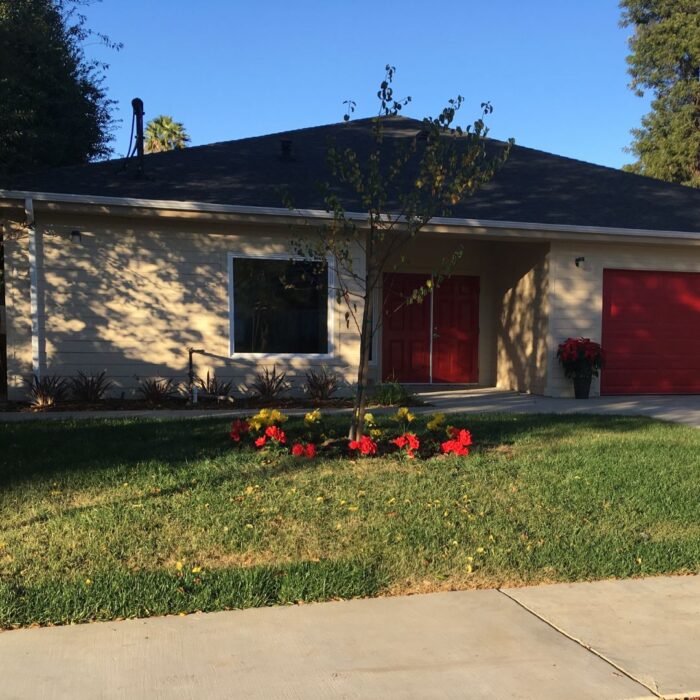
Intermediate Care Facilities for the Developmentally Disabled (ICF/DD) are small community-based homes that provide residential and care services for individuals with developmental disabilities who have long-term nursing and medical needs.
How does placement work? What if a client wants to live in an ICF/DD?
Regional centers will work with clients, families, and community partners to inform clients that an ICF/DD home is one of many living options. It’s important every person receiving services can decide which setting best fits their preferences and needs.
What does life at an ICF/DD home look like?
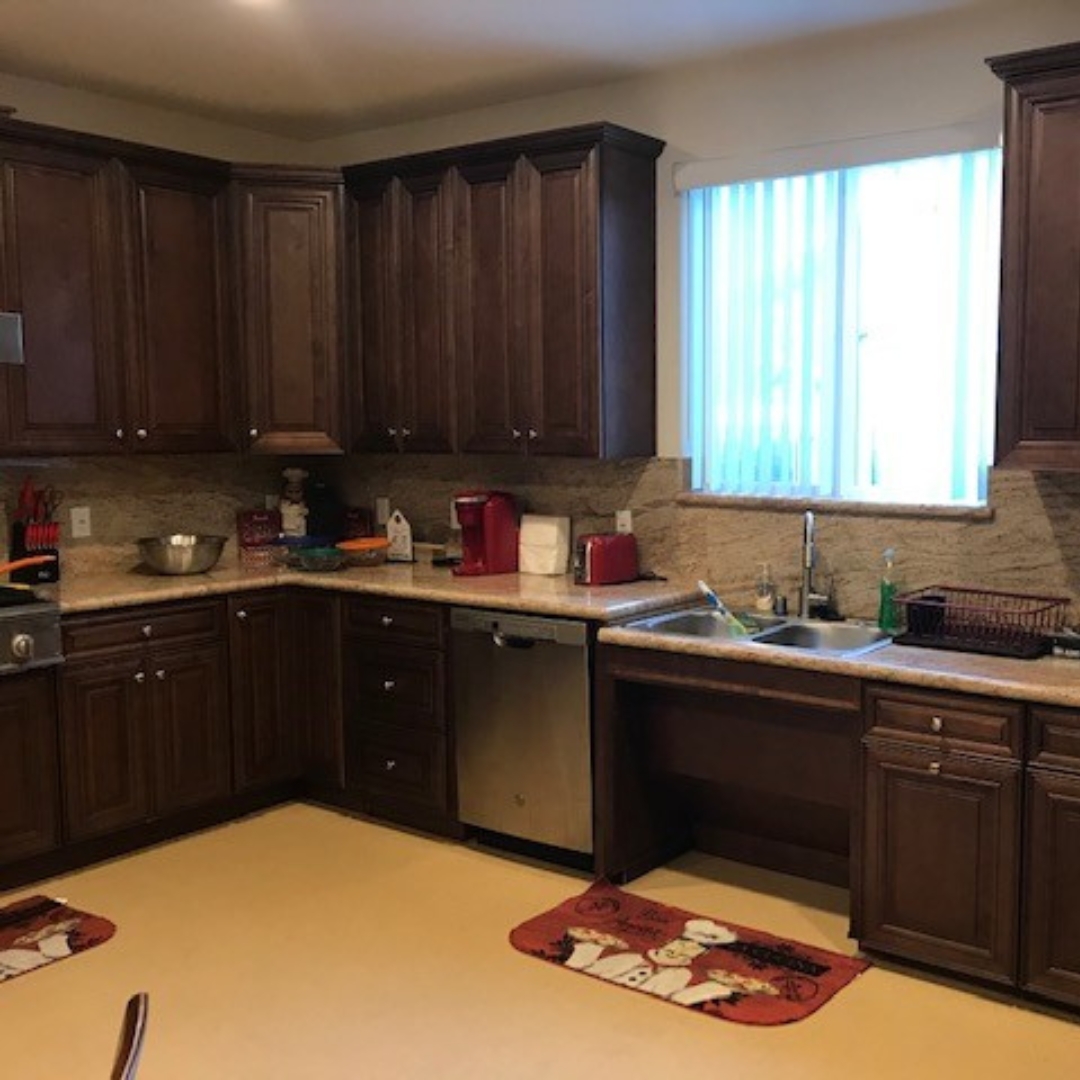
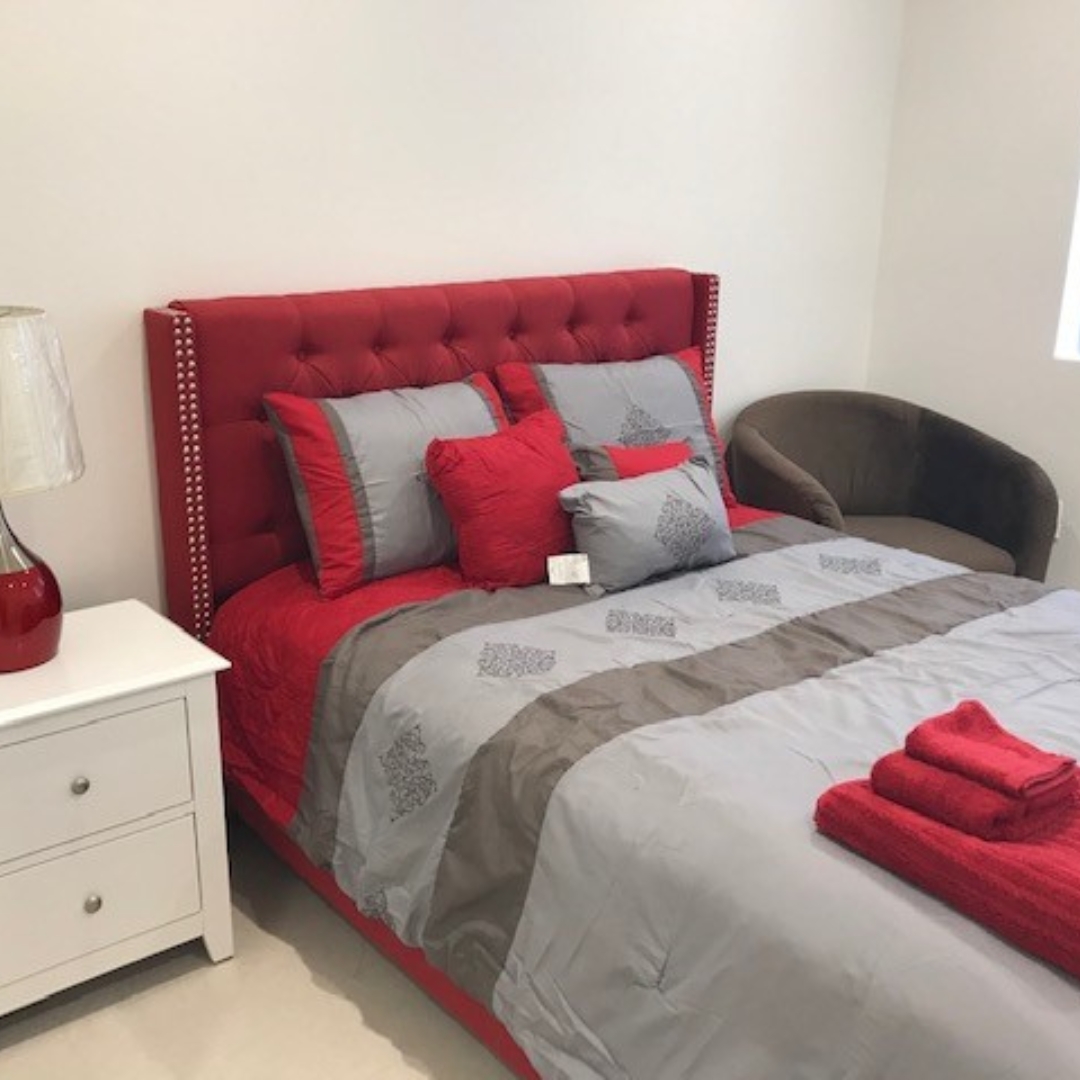
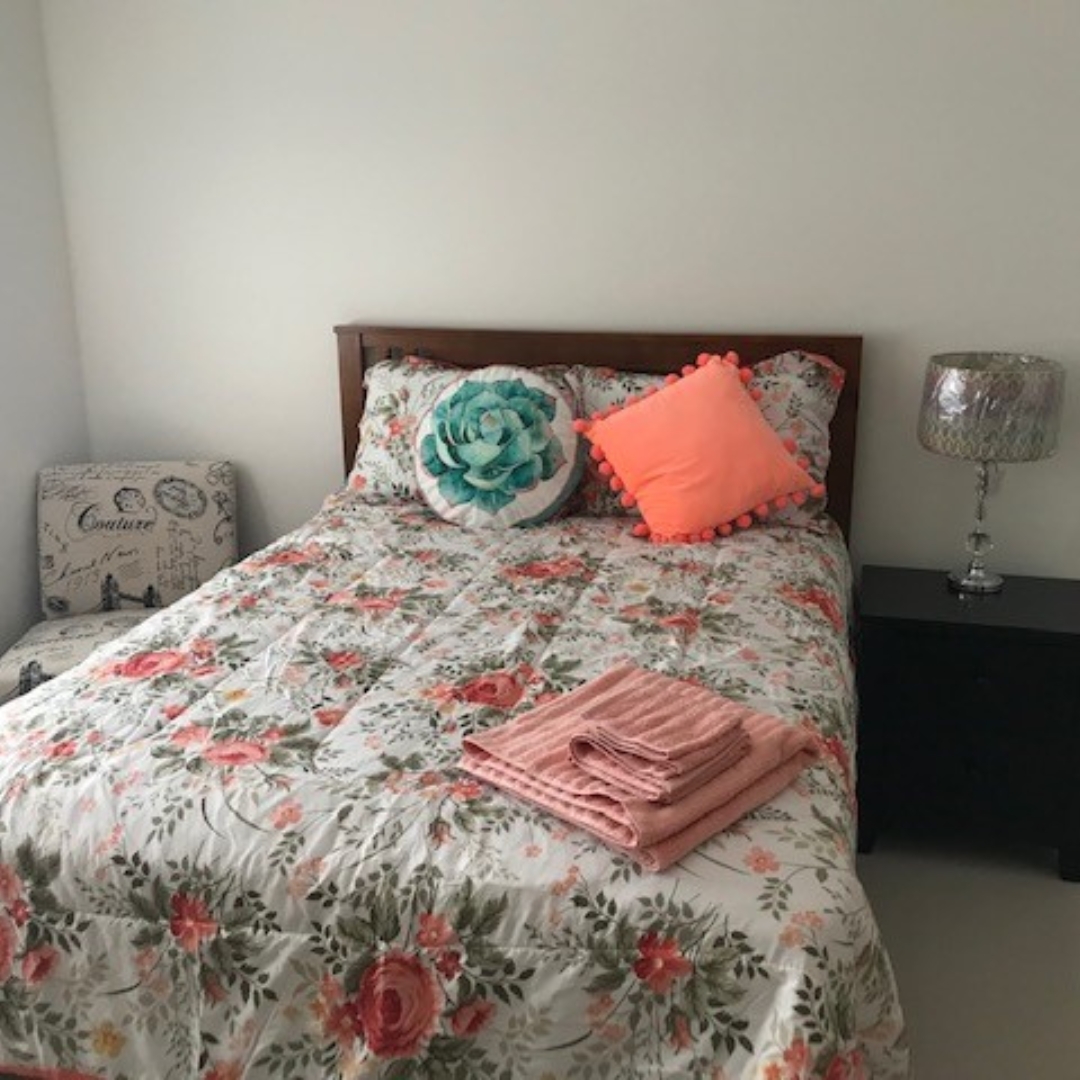
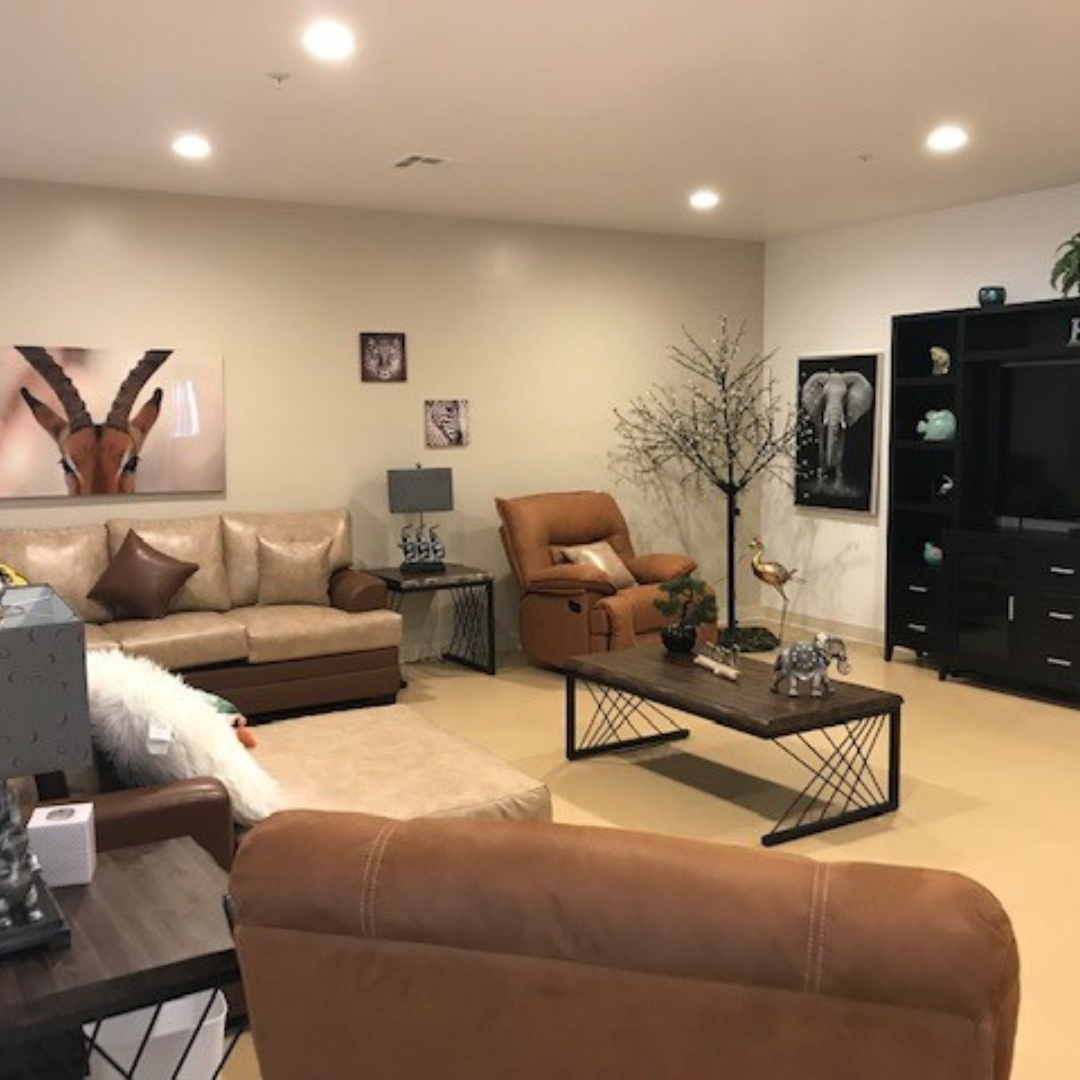
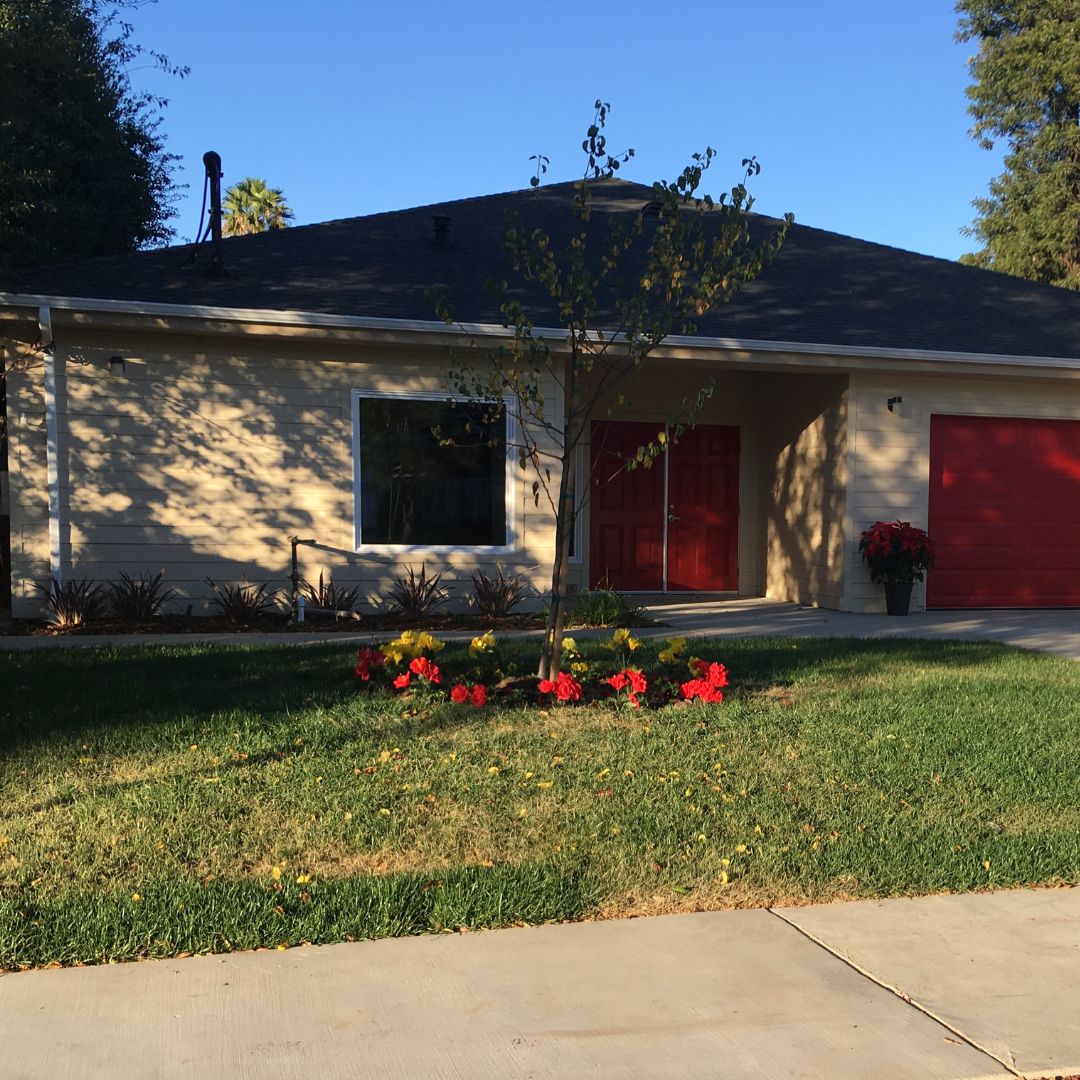
These homes are licensed to provide 24-hour nursing care to people in the place they call home. These homes have typically less than six beds. They look just like a typical residential home and are located in local neighborhoods.
The home staff work with the resident care team, regional centers, and medical providers to provide residents with the best possible medical and social care. Many residents attend day programs and return home at the end of each day.
What types of ICF/DD homes are there? Who are these homes for?
While these homes support both children and adults, many of the residents are adults who have lived there for most of their life. There are different types of ICF/DD homes in California, which provide various levels of nursing and clinical care. Nursing services can range from part-time to continuous care.
Who regulates these homes?
ICF/DD homes are regulated by the Department, the California Departments of Public Health, and Health Care Services. Regional centers work with individuals and families to match potential residents to the right type of ICF/DD based on an individual’s needs. They also coordinate services before a person moves into the home and are the point of contact during the placement process.
How are family members involved?
Family visits and involvement are highly encouraged! Family members may choose to support in different ways. Here are some examples:
- tour the ICF/DD before placement
- join move-in day
- visit once the person is settled in
- take their loved ones out to lunch, the movies, and more
- offer to have their loved one visit their own home, including on the weekends, when it’s safe to do so
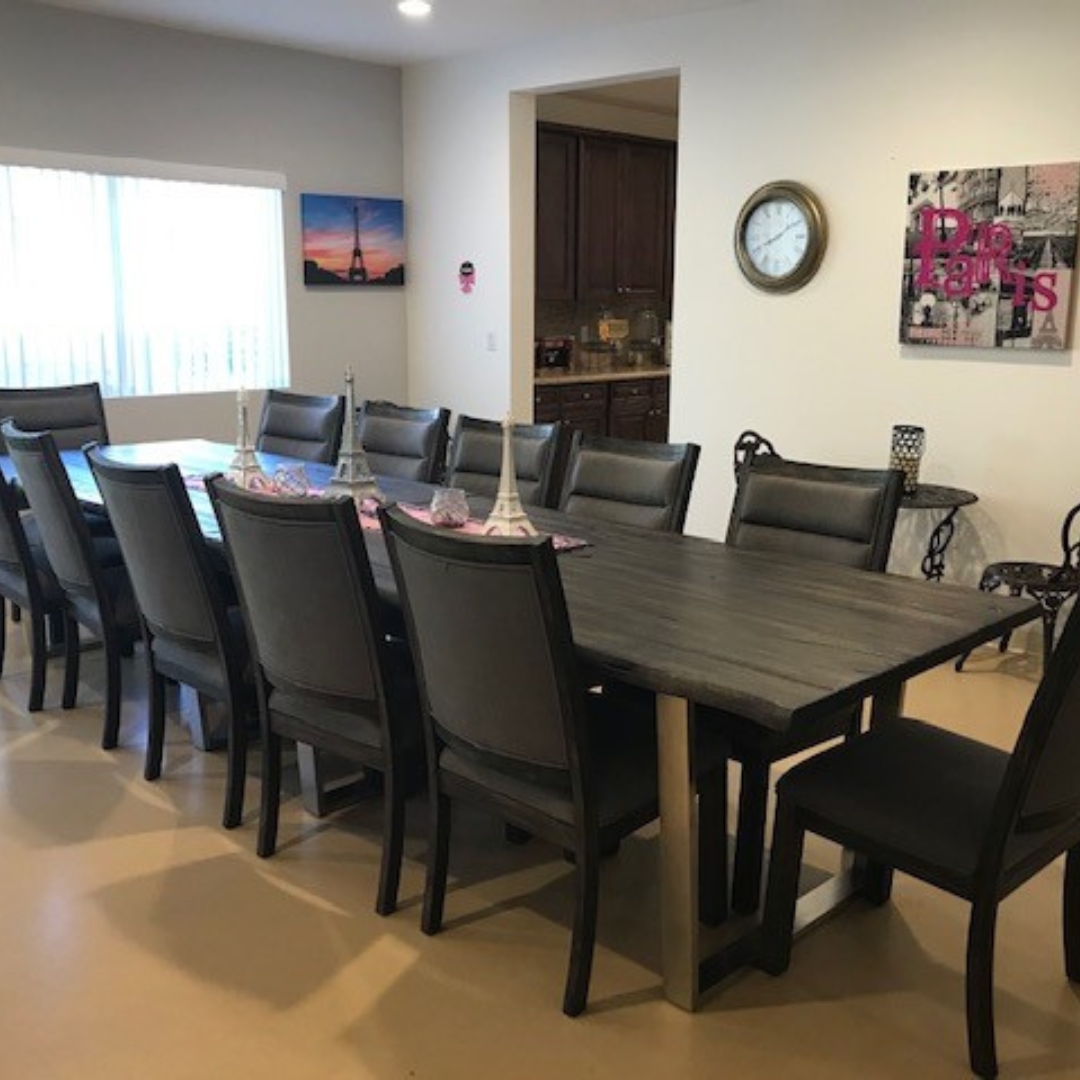
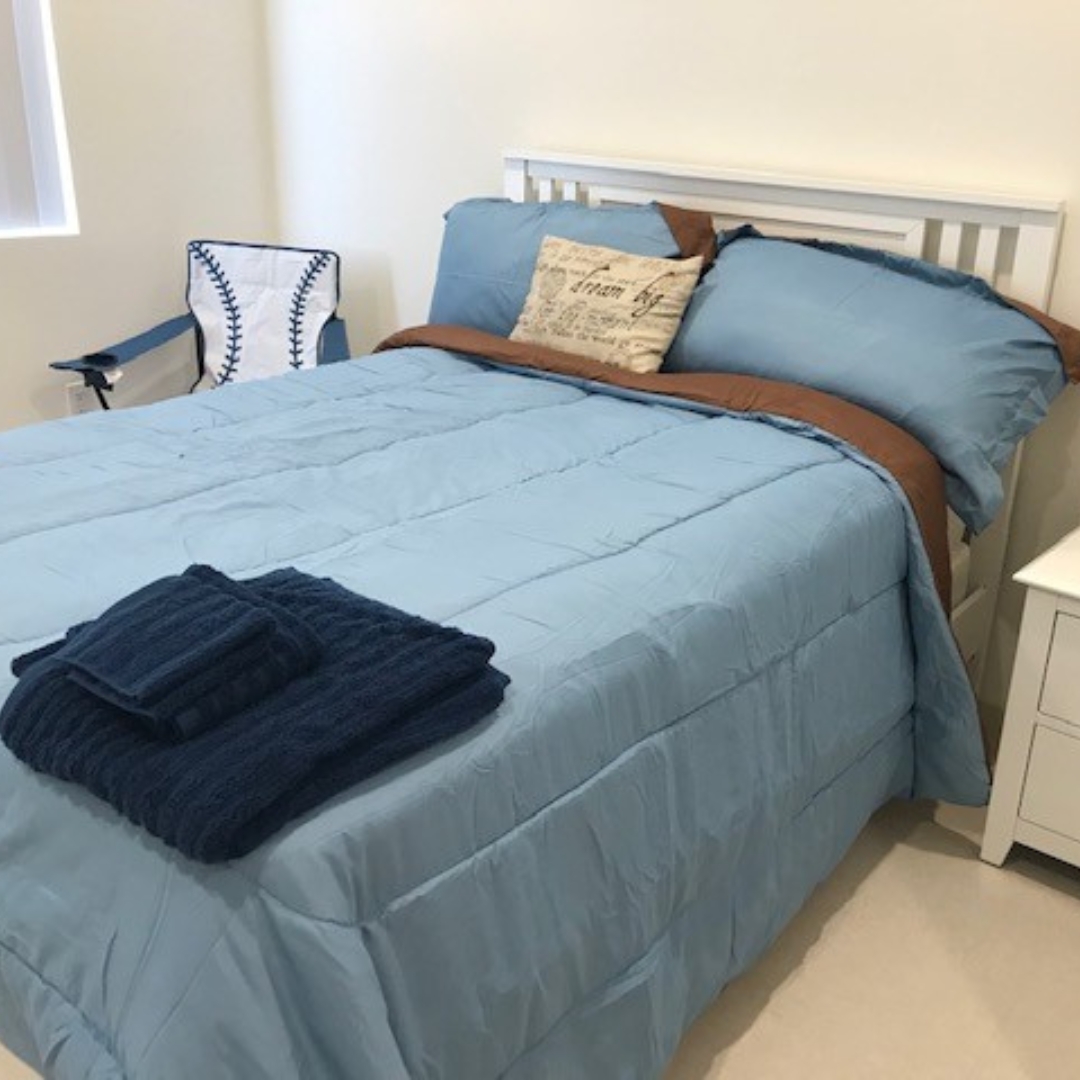
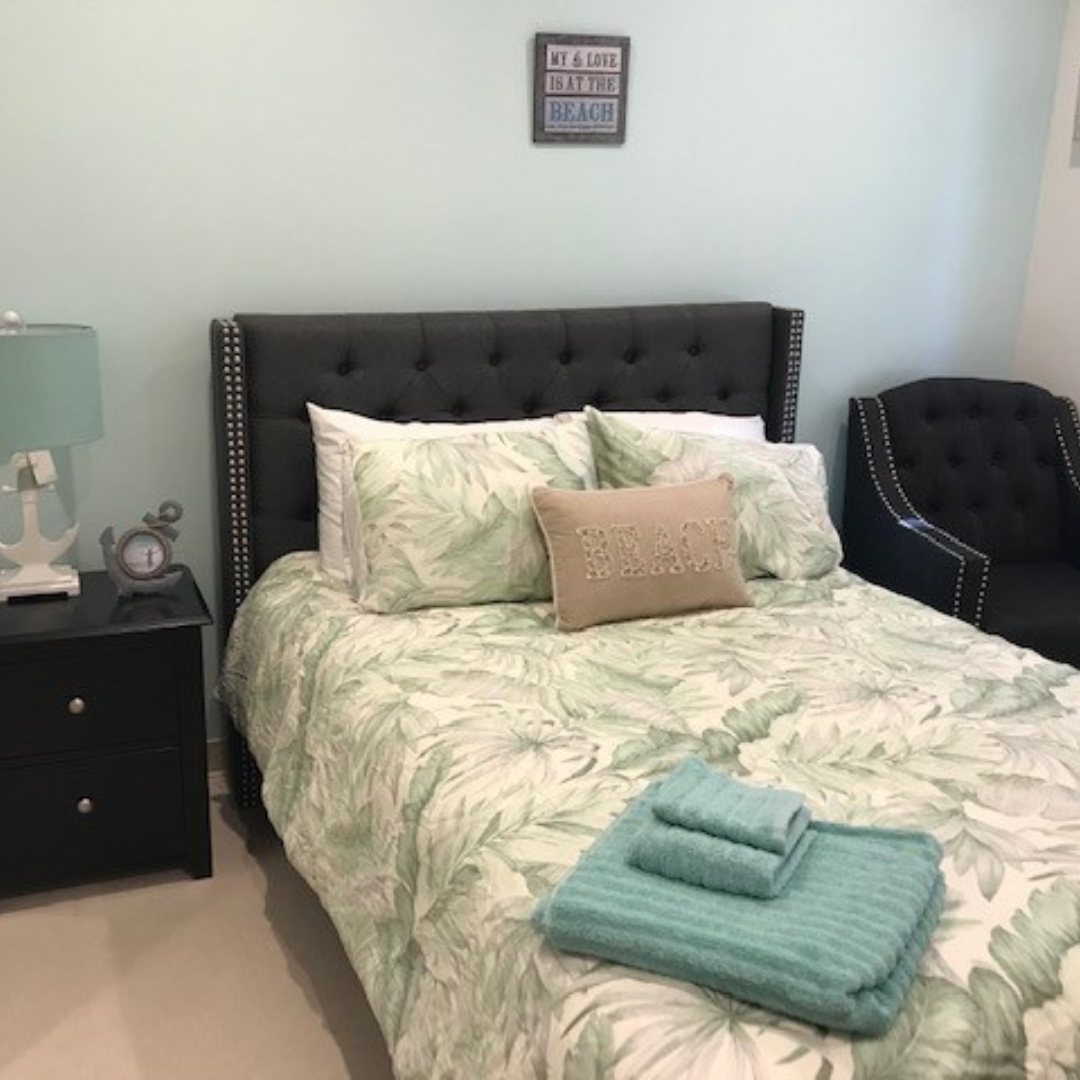
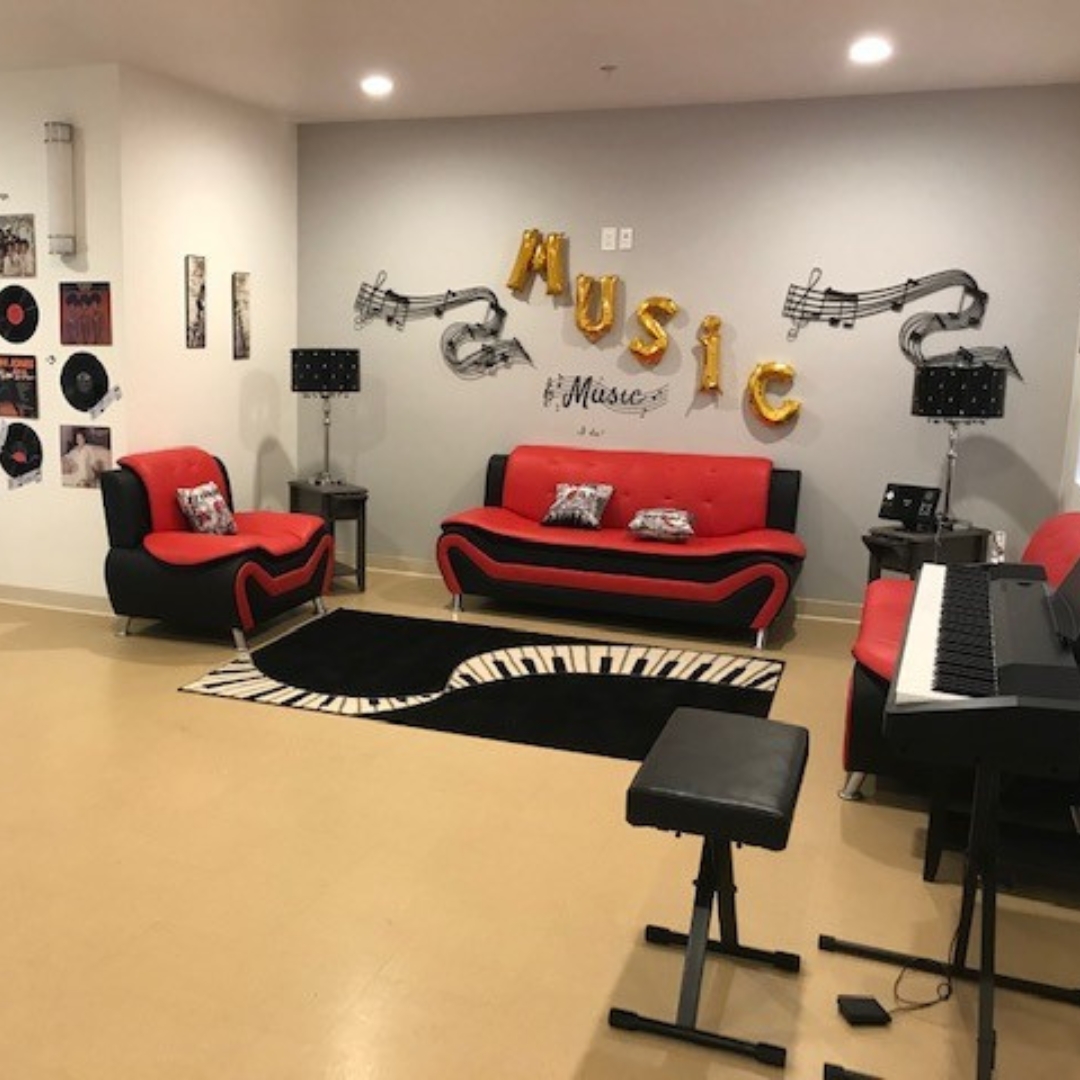
Take a look inside an ICF/DD home in Reseda:
Learn More: