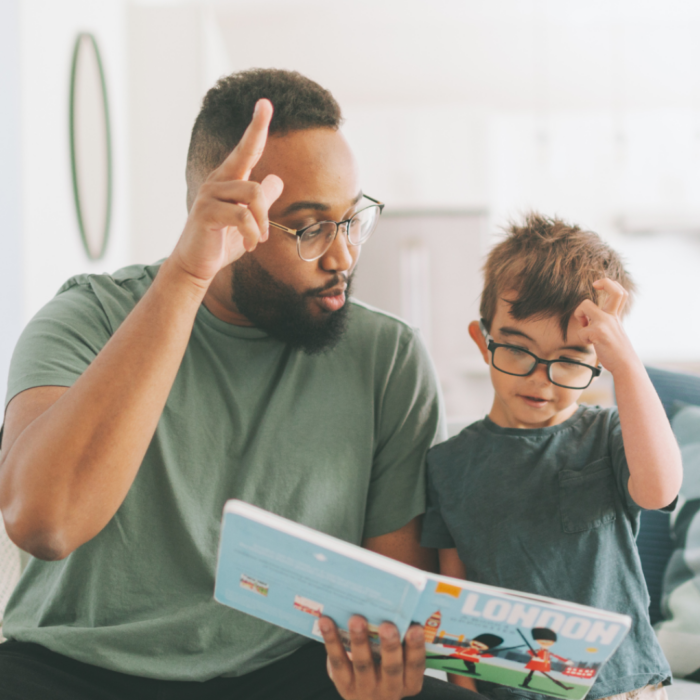
April 15 was National American Sign Language (ASL) Day. It highlighted California’s leadership in supporting people who are deaf, hard of hearing, and deafblind. California’s 21 regional centers provide ASL training and support services so Californians who are deaf and have an intellectual or developmental disability can lead full and inclusive lives.
Research shows that people who are deaf and have intellectual or developmental disabilities may process visual language in different ways. This can affect how they read facial expressions, follow eye gaze, or express signs.
To address these challenges, California established ASL support services (Service Code 644). These services are designed to improve both understanding and communication and expand signs choices. With ASL, people can share ideas, understand others, and express feelings.
When a person can communicate clearly, they can:
- Get their wants and needs met
- Access their community
- Develop relationships
“Learning ASL helps every child build a bigger vocabulary, whether they can hear or not,” said Deaf Access Specialist Lisa Gonzales. “That’s because sign language uses clear, picture-like signs that make word meanings easier to grasp and remember.”
For more information, visit our Deaf, Hard of Hearing, and DeafBlind Resources web page at www.dds.ca.gov/deaf.